
Inglewood Local
Excavating and Hauling
Site clearing, grading, and debris removal handled under one contractor from start to finish.
Request an estimate
Tell us what you need
Three fields. It reaches a person here, not a call centre.
Excavating and Hauling That Moves Projects Forward
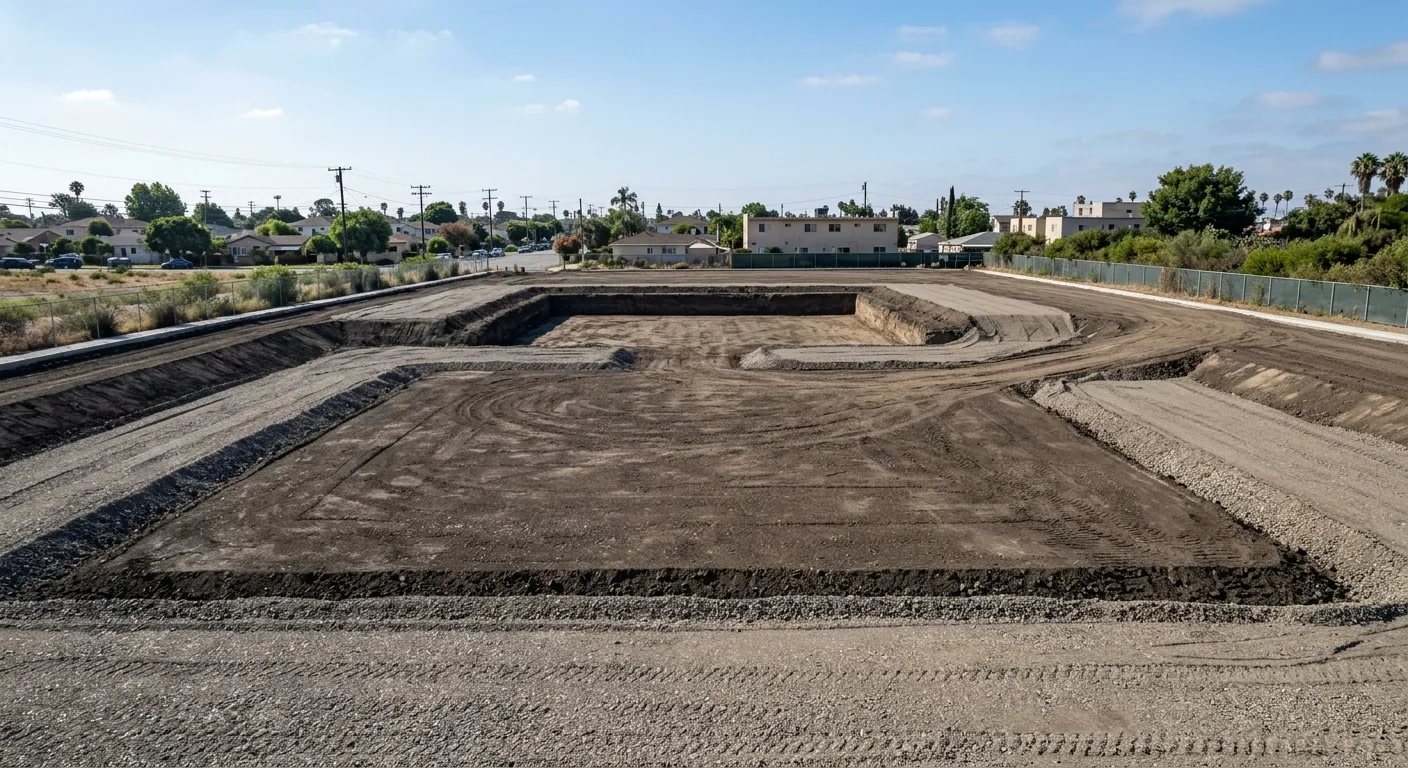
Excavating and hauling are the two services that determine whether a project starts clean or inherits someone else's problems. Bad grading creates drainage failures. Debris left on-site blocks every trade that comes after. Atomic Renovations handles both: we dig to spec, grade to drain, and haul every load off your property so the next phase can start on schedule. If you're about to break ground on an ADU, a room addition, or a full demolition and grading scope, the site prep work is where the schedule gets won or lost. Request an estimate now and we'll walk the site before any equipment moves.
What excavating actually involves depends on soil type, depth, access, and what the finished structure needs to bear. Loose fill behaves differently than clay-heavy LA-area soil, and a lot that slopes toward the foundation is a problem that compounds over years, not weeks. Hauling scope varies just as much: a single garage demo produces a different volume than a full interior gut-out with concrete slab removal. Cost drivers include machine access (tight side yards require compact equipment), haul distance and dump fees, total material volume, and whether grading is required after excavation or can be handled in the same mobilization. Every job is different -- contact Atomic Renovations for an accurate estimate.
What an Excavating Service Actually Does
Excavation is not just digging a hole. The scope determines whether what you build on top of it holds.
Site Clearing
Removing existing material, vegetation, and debris from the footprint before any grading or formwork begins. You can't grade what hasn't been cleared.
Grading and Sloping
Establishing the correct finish grade so water moves away from your structure. This is where most DIY site prep fails -- the slope looks flat, but it isn't draining.
Trenching
Cutting precise trenches for footings, drainage channels, or utility conduit. Trench walls that collapse mid-project set a job back days, not hours.
Foundation Excavation
Digging to the specified bearing depth for new construction, additions, or ADU and garage conversions. Depth and compaction matter -- both get confirmed before forming.
Material Hauling
Loading and transporting excavated soil, demolished concrete, construction debris, or old material off-site to a licensed facility. We don't leave piles on the curb.
Compaction
After excavation, disturbed soil needs to be compacted back to bearing capacity before any slab or footing is poured. Skip this step and the concrete cracks.
Our Process
How Excavating and Hauling Gets Handled
- 01
Site Assessment
We walk the property, confirm access points for equipment, identify soil conditions, and determine the excavation depth and grading requirements before a shovel moves.
- 02
Excavate, Grade, and Clear
Equipment gets staged, the dig begins to spec, and grading is confirmed against drainage requirements. Any debris generated during clearing is staged for haul-out, not scattered.
- 03
Haul and Confirm Grade
All removed material leaves the site in the same mobilization when possible. Final grade is confirmed before we release the site for the next phase -- concrete forms, framing, or otherwise.
Cost Drivers
What Makes an Excavation Job Cost More
There's no flat rate for earthmoving. Here's what actually moves the number up or down on a typical job.
- 01
Machine Access
Tight side yards, narrow gate openings, or overhead obstructions force smaller, slower equipment. If a full-size excavator can't reach the dig area, compact equipment takes its place and the job takes longer.
- 02
Soil Composition
Clay-heavy soil common across LA County is denser and heavier than sandy or loamy fill. It takes longer to cut, loads heavier per bucket, and costs more per haul ton at the dump facility.
- 03
Volume and Haul Distance
More material means more loads. Dump facility fees are charged per ton and per trip. A deep foundation excavation on a 2,000 sq ft footprint generates significantly more haul volume than a shallow utility trench.
- 04
Scope Combination
Combining excavation and grading in the same mobilization almost always costs less than scheduling them separately. Pairing site clearing with a demolition grading scope from the same contractor saves both time and coordination overhead.
Key Facts About Excavating and Hauling
What to verify before any excavation crew moves equipment onto your property.
- 01
Grading must drain away from the structure
The minimum finish grade slope per California residential code is 2% away from the foundation for the first 10 feet. Less than that and water pools at the wall.
- 02
Soil disturbance requires compaction before concrete
Excavated and backfilled soil loses its bearing capacity until it's mechanically compacted. Pouring over uncompacted fill is the most common cause of slab cracking on residential pours.
- 03
Hauling goes to licensed facilities only
Excavated soil, concrete, and construction debris must be disposed of at a permitted facility. Dumping on open lots is illegal in LA County and carries fines the property owner can be held liable for.
- 04
Machine selection determines site damage
The wrong equipment churns up landscaping, cracks driveways, and leaves compaction ruts. Site access gets assessed before equipment is selected, not the other way around.
When You Need One Contractor Handling All of It
Start Your Excavating and Hauling Estimate
Tell us the scope and we'll confirm what it takes to clear, grade, and haul your site on schedule.