
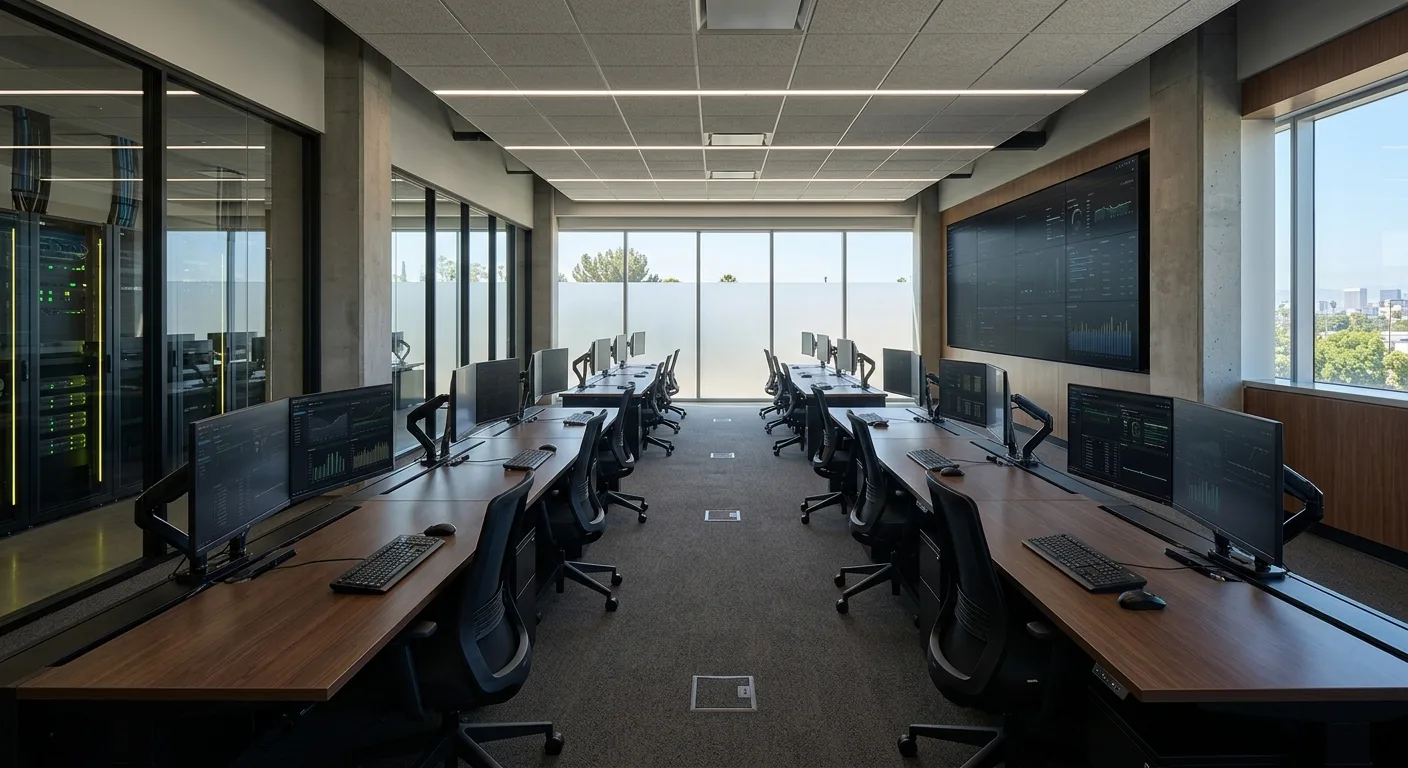
Inglewood Local
Pre-Built Operations Database
Structured project data that drives accurate estimates, faster drawings, and tighter construction timelines.
Request an estimate
Tell us what you need
Three fields. It reaches a person here, not a call centre.
Pre-Built Data Behind Every Project
A pre-built operations database is the backend infrastructure that separates a contractor who guesses from one who knows. At Atomic Renovations, every estimate, drawing package, and project schedule runs through a structured system of pre-loaded cost data, scope templates, and sequencing logic built from real construction jobs in the South Bay and greater LA County. The result is fewer surprises on paper and fewer delays in the field. If you're planning a renovation and want numbers you can actually build a budget around, start with a system that's already been tested. Request a project estimate to get the process moving.
What goes into a pre-built operations database matters as much as the fact that one exists. Ours is built around the specific scope categories Atomic Renovations handles: kitchen remodeling, bathroom remodeling, construction remodeling, structural framing, demo, and site work. Pre-loaded line items mean the estimating and proposal drafting phase doesn't start from scratch on every job. Cost drivers like material grade, access conditions, permit requirements, and existing structure condition are already baked into the system, so the scope-to-estimate translation is faster and more defensible. That speed feeds directly into expedited drawing timelines and earlier permit submissions. Every job is different, so the database is a starting point, not a ceiling. Contact Atomic Renovations for an accurate estimate.
How It Works
From Scope Input to Structured Output
- 01
Scope Capture
Project type, existing conditions, material selections, and site constraints are logged against pre-built categories. No blank-sheet estimating, no scope gaps from memory.
- 02
Database Pull
Pre-loaded cost data, labor benchmarks, and sequencing logic populate the estimate. Line items reflect South Bay market conditions, not national averages that don't apply here.
- 03
Deliverable Output
The system produces a structured estimate, a scope-aligned drawing package via our expedited drawings process, and a project sequence ready for permit submission and crew scheduling.
What the Database Actually Contains
Cost Line Items by Trade
Pre-loaded pricing categories for demo, concrete, framing, drywall, tile, windows, doors, and finishes. Each category reflects actual job costs from completed South Bay projects, not published price sheets.
Scope Templates by Project Type
Structured templates for ADU conversions, kitchen gut-outs, bathroom remodels, and full-home renovations. Templates cover standard scope sequences so nothing gets missed at the estimate stage.
Permit and Drawing Flags
The system flags scope items that require architectural drawings or structural engineering review before permit submission. This is where project engineering and detailed quotes intersect.
Material Grade Variables
Cost entries branch by material specification: standard, mid-grade, and custom finish levels. A client choosing large-format tile and interior finishes sees different numbers than one going with standard 12x12.
Labor Sequencing Logic
Pre-built job sequences prevent schedule conflicts between trades and scope phases. Framing doesn't start before demo clears. Wood and metal framing goes in before drywall. The order is enforced, not assumed.
Revision Tracking
Scope changes mid-project run back through the database so revised estimates are generated from the same structured inputs as the original. No manual recalculation, no version confusion.
Why It Matters
The Real Cost of Estimating Without a System
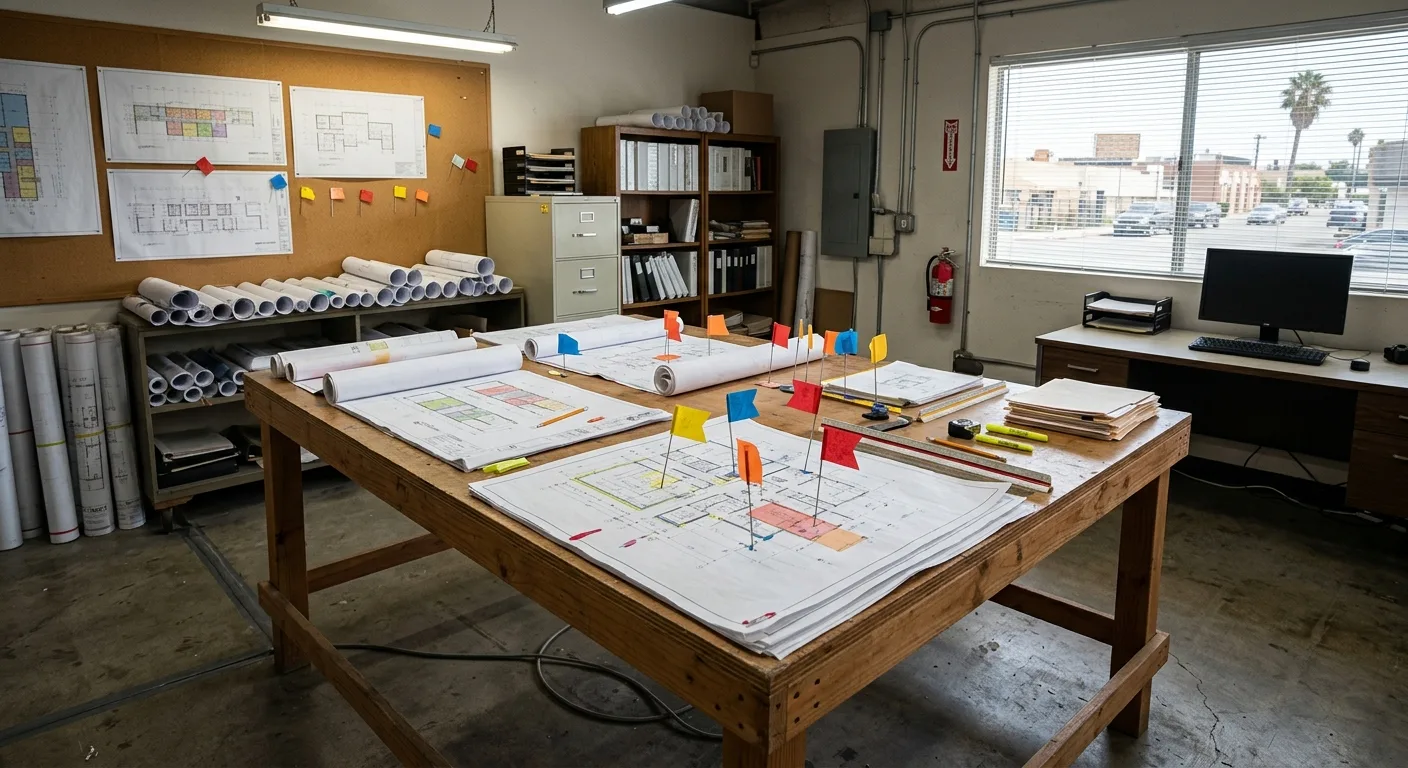
Six Things the System Prevents
- 01
Scope gaps that surface mid-construction
Pre-built templates flag missing line items before the estimate leaves the office.
- 02
Labor sequencing conflicts
Trade order is built into the system so crews don't stack on top of each other or wait on preceding work.
- 03
Permit submission delays from incomplete drawing packages
The database flags scope requiring architectural drawings before the package goes to the city.
- 04
Change orders that aren't traceable
Scope revisions feed back through the same structured inputs, producing a documented delta rather than a verbal add-on.
- 05
Material grade mismatches between estimate and install
Variable entries lock the specified grade into the cost structure so substitutions can't happen quietly.
- 06
Budget presentations that can't survive a client question
Line-item outputs from the database answer 'why does this cost that' without requiring the estimator to reconstruct the logic from scratch.
Built Around Atomic's Actual Scope
No HVAC, Electrical, or Plumbing
The database doesn't carry those trade categories. Atomic Renovations doesn't perform HVAC, electrical, or plumbing work. The system reflects what the contractor actually builds, so estimates don't include scope the crew can't deliver.
Structural and Finish Work, Start to Finish
From excavating and hauling through framing, drywall, tile, windows, doors, and final finishes, every phase Atomic handles has pre-built cost and sequence entries in the system.
ADU and Full Remodel Scope Ready
California's ADU legislation under SB 9 and AB 2221 created a specific, repeatable scope category. Those job types are templated in the system with permit-stage drawing flags built in, so ADU estimates don't start from zero.
Request a Project Estimate
The database runs in the background. What you get is an estimate that holds up.